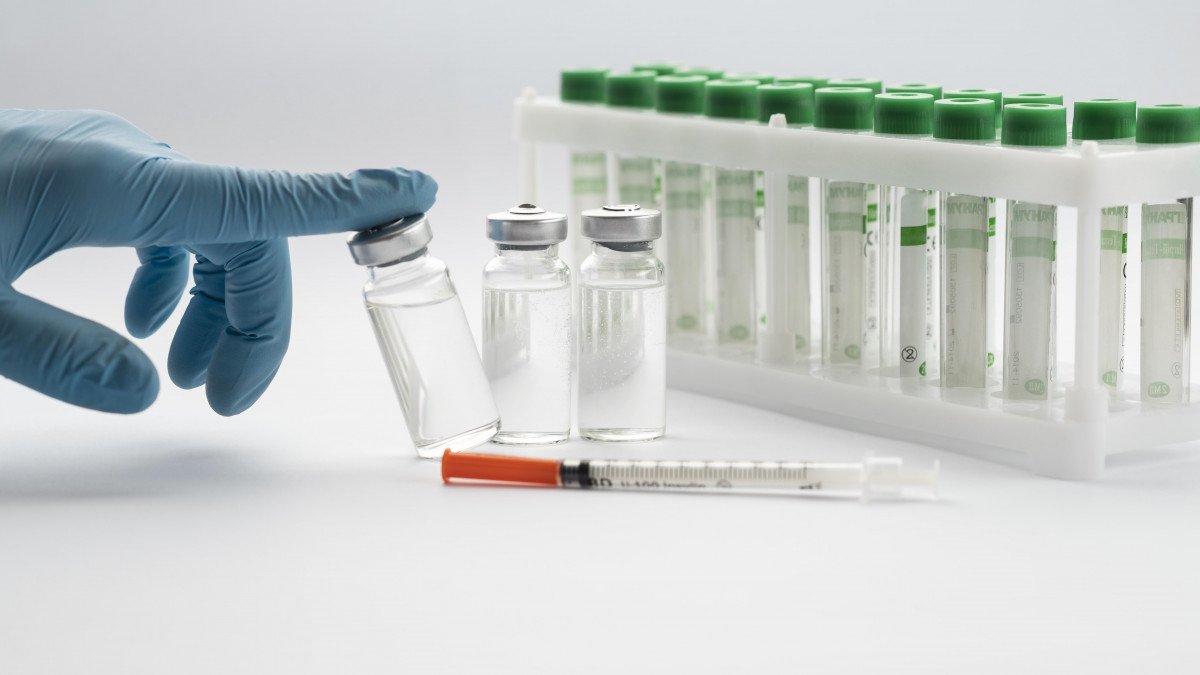
Small variations in laboratory purity results are normal, even under tightly controlled conditions. Factors such as instrument calibration, sample handling, environmental conditions, and operator technique can introduce minor variability between tests. In ISO-certified laboratories (e.g., ISO/IEC 17025), these differences are minimized through standardized methods, validated procedures, and routine quality controls. Typically, well-run labs report measurement uncertainty in the range of ±1–2% for many chemical purity analyses, though the exact tolerance depends on the method and material being tested.
Plant extracts are inherently more variable because their composition depends on natural factors like growing conditions, harvest timing, and extraction methods. They’re also complex mixtures, which makes precise quantification harder. As a result, inter-lab differences of ±3–10% (or more) are not unusual, depending on the compound and method.
Plant extracts are inherently more variable because their composition depends on natural factors like growing conditions, harvest timing, and extraction methods. They’re also complex mixtures, which makes precise quantification harder. As a result, inter-lab differences of ±3–10% (or more) are not unusual, depending on the compound and method.
Thanks a ton for letting everyone know stouts been selling poison, not surprising.
When can we expect to see another batch of text for vendors ? 3 month would love to see same vendors and new ones mgmbotanic, mgmalkz , HURRICAINE , thanks for helping consumes stay safe .